
Die Casting Service
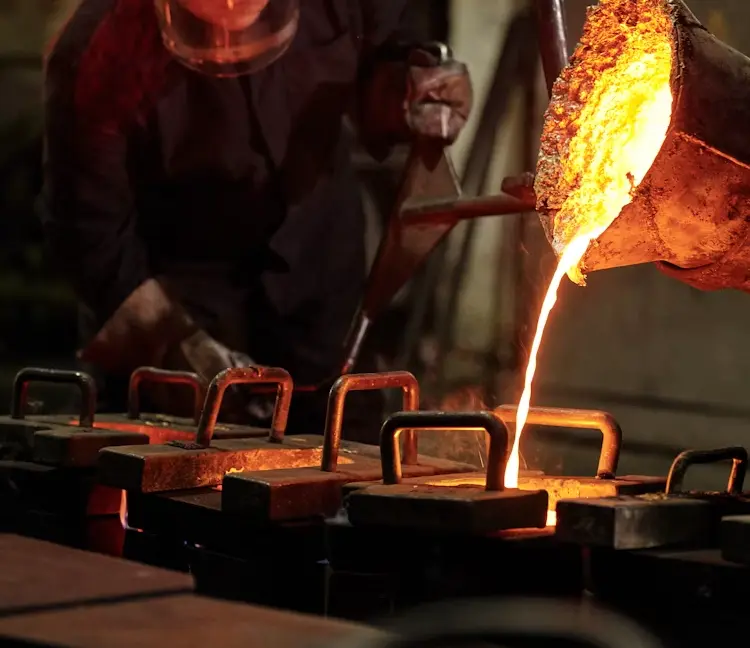
Die casting is a metal casting process in which molten metal is injected into a precision steel mold under high pressure and high speed. The metal rapidly solidifies to form parts with excellent dimensional accuracy, smooth surface finish, and repeatable quality.
This process is ideal for producing complex geometries, thin-wall structures, and tight-tolerance components at medium to high production volumes.
Die Casting Material Selection
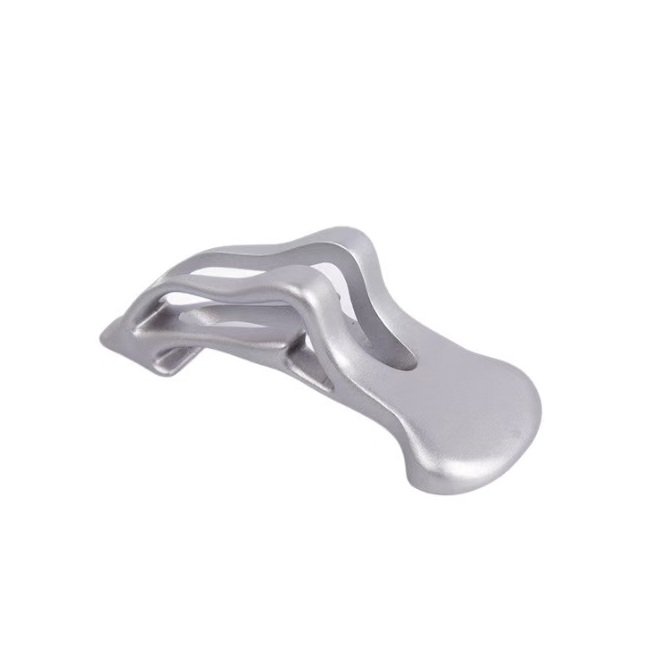
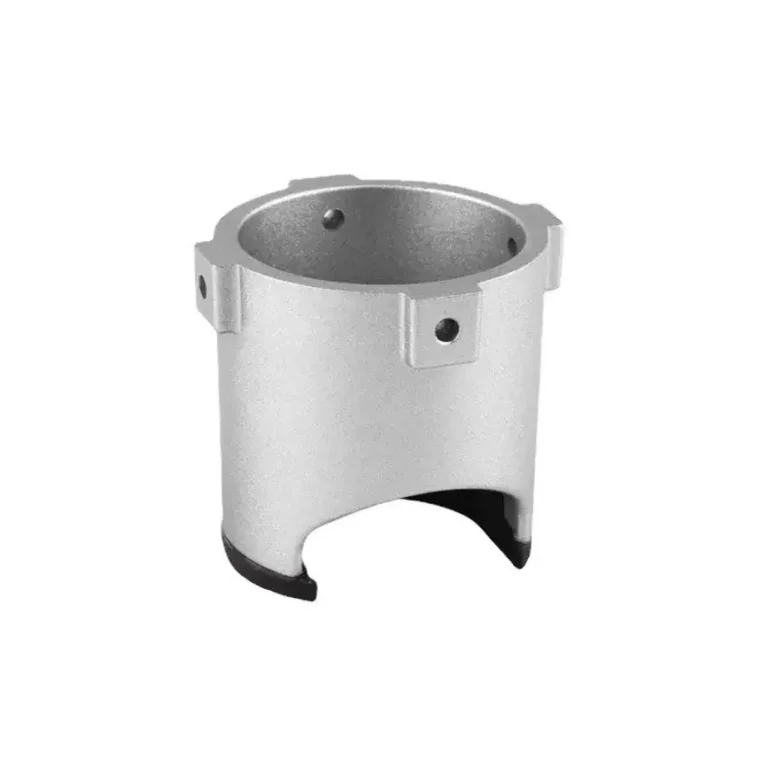
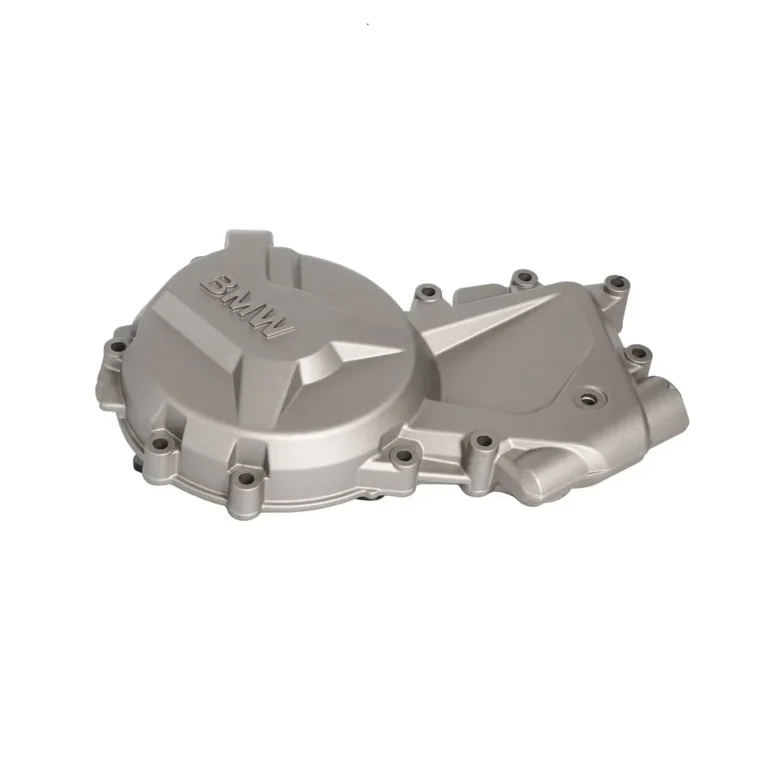
Die Casting Services Offered by Lexhardware
Hot Chamber Die Casting
Hot chamber die casting is a high-pressure metal casting process widely used for producing high-precision, high-volume metal parts. In this process, the injection system is submerged directly in molten metal, allowing for extremely fast cycle times and excellent dimensional consistency.
Thanks to its speed, accuracy, and cost efficiency, hot chamber die casting is one of the most commonly used die casting methods in industrial manufacturing.
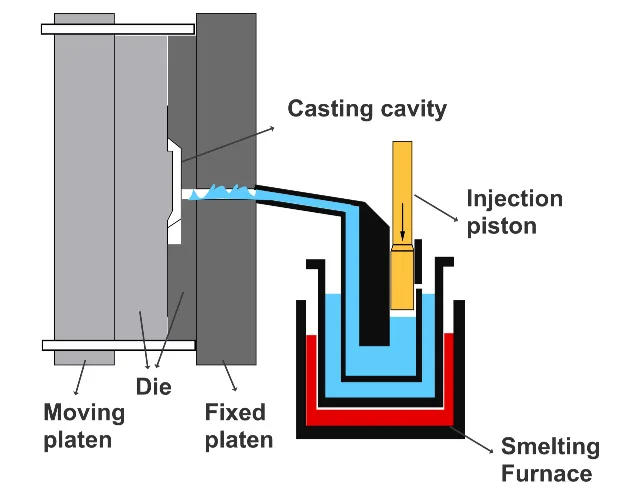
How Hot Chamber Die Casting Works
The hot chamber die casting process follows a highly efficient and repeatable cycle:
Molten Metal Holding
The injection mechanism (gooseneck and piston) is immersed in a furnace containing molten metal.High-Pressure Injection
A piston forces molten metal into a closed steel die under high pressure.Rapid Solidification
The metal cools and solidifies quickly inside the die cavity, forming the final shape.Part Ejection
The die opens and ejector pins release the finished casting.Short Cycle Time
The system immediately refills with molten metal, enabling continuous, high-speed production.
This streamlined process makes hot chamber die casting ideal for mass production.
Cold Chamber Die Casting
Cold chamber die casting is a high-pressure metal casting process used to manufacture strong, precise, and complex metal parts, especially from high-melting-point alloys such as aluminum and magnesium.
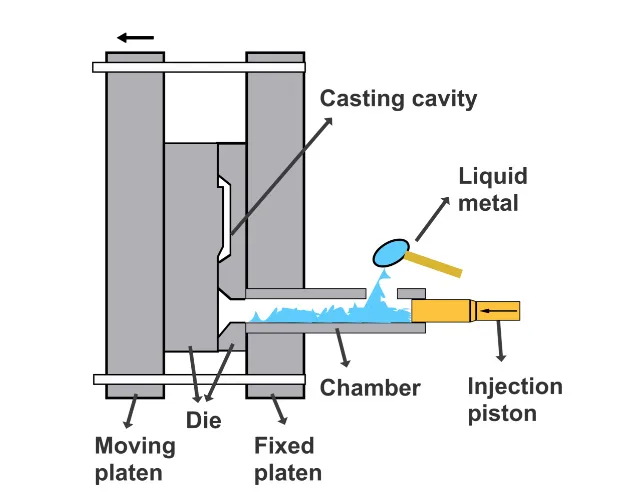
Unlike hot chamber die casting, the molten metal is not stored inside the die casting machine. Instead, it is poured into a separate injection chamber for each cycle, which prevents damage to the injection system and allows the process to handle higher temperatures.
How Cold Chamber Die Casting Works
- Metal Melting
The metal is melted in a separate furnace outside the die casting machine. Metal Transfer
A measured amount of molten metal is poured or ladled into the cold chamber (shot sleeve).High-Pressure Injection
A hydraulic piston pushes the molten metal into the closed steel die at high pressure.Rapid Solidification
The metal quickly cools and solidifies inside the die cavity.Part Ejection
The die opens and ejector pins release the finished casting.
This cycle is repeated continuously to support efficient production.
Get a Fast Quote for Custom Die Cast Parts
From high-volume runs to short-batch soft tooling, our expert team uses industry-leading mold flow analysis to guarantee top-tier quality.
Upload your 3D files or drawings below, and we’ll process your request immediately to get you a quote ASAP.
Hot Chamber VS Cold Chamber
Material and Process Selection for Die Casting Products
| Material Type | Key Material Properties | Recommended Die Casting Process | Typical Applications |
|---|---|---|---|
| Zinc Alloys | Excellent fluidity, high dimensional accuracy, smooth surface finish, good strength | Hot Chamber Die Casting | Complex thin-walled parts, connectors, consumer products |
| Aluminum Alloys | Lightweight, high strength-to-weight ratio, good corrosion resistance, excellent thermal conductivity | Cold Chamber Die Casting | Automotive parts, aerospace components, electronic housings |
| Magnesium Alloys | Ultra-lightweight, high strength-to-weight ratio, good machinability | Cold or Hot Chamber Die Casting | Automotive structures, electronic enclosures, handheld devices |
Swipe left to view more →
Available Die Casting Finishes
As-Cast Finish
Parts are delivered directly from the die with no secondary treatment. Minor flow lines, ejector marks, and gate vestiges may be visible.
Deburring & Polishing
Mechanical or manual processes remove sharp edges, flash, and burrs. Polishing can improve smoothness and visual quality.
Shot Blasting / Sand Blasting
Abrasive media is used to create a uniform matte or textured surface.
Powder Coating
A durable, baked-on coating available in various colors and textures.
Plating
Includes zinc plating, nickel plating, chrome plating, and electroless nickel.
Anodizing (Aluminum Die Castings)
Creates a hard, protective oxide layer with optional coloring.
Painting / Spray Coating
Liquid paint applied for color, branding, or environmental protection.
Chemical Conversion Coatings
Chromate conversion coatings provide corrosion protection for aluminum, promote paint and primer adhesion, and offer excellent electrical conductivity。
Applications of Die Casting
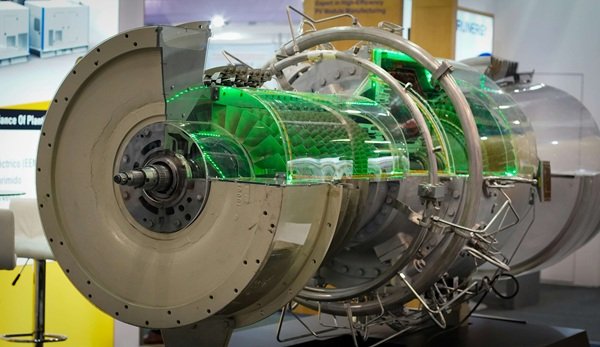
Aerospace Components
We machine airframe panels, engine fittings, and housing assemblies for sensitive onboard instruments.
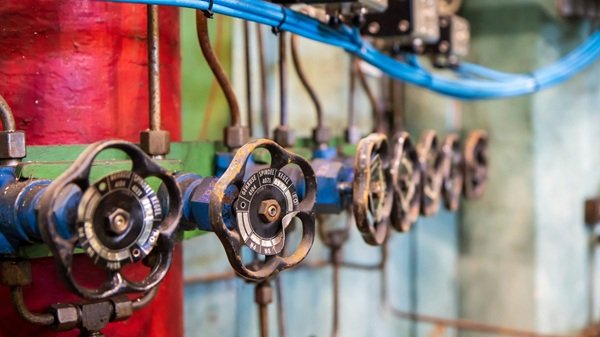
Industrial Equipment
Precision-engineered machine bases, wear components, and assembled units designed for demanding, continuous operation.
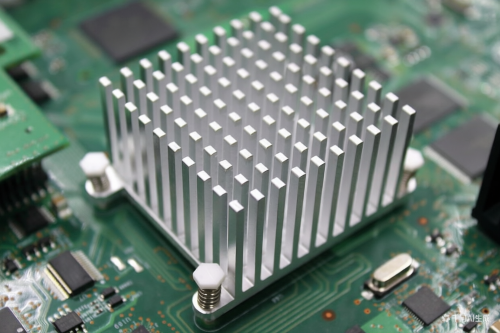
Heat sink
A passive cooling component used to dissipate heat from electronic devices
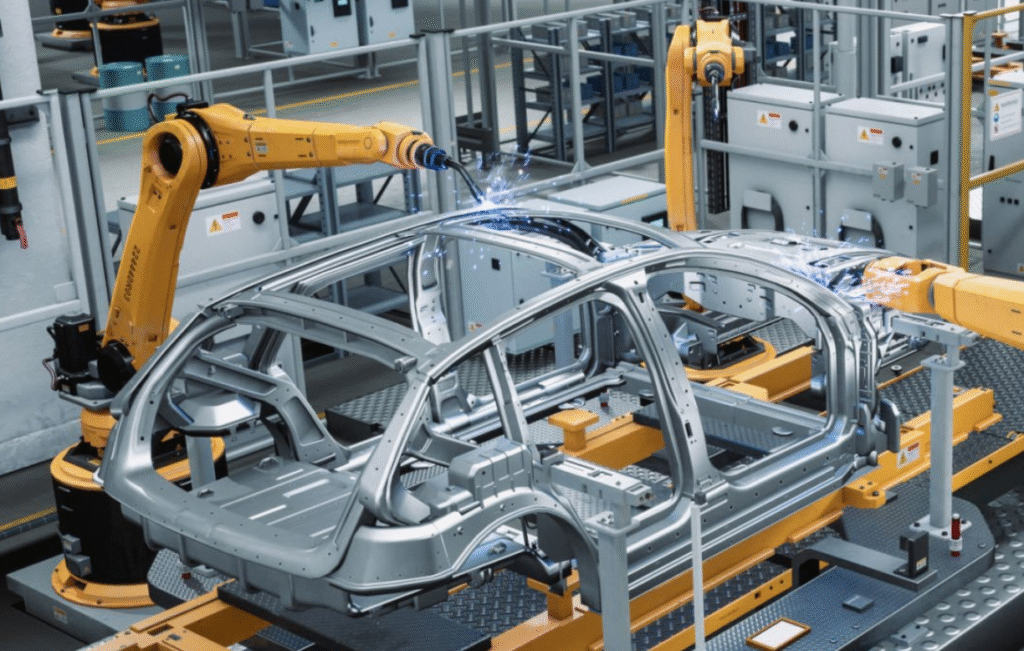
Automotive Structural Castings
Aluminum die casting components used in vehicle load-bearing and support structures.
Die Casting FAQs
What are the advantages of die casting?
The die casting process delivers several key advantages, including high-volume production capability, exceptional dimensional accuracy, efficient part consolidation, and superior surface finish.
High-Volume Production: Automated manufacturing systems support the efficient production of hundreds of thousands of identical parts.
Dimensional Accuracy & Stability: Tight tolerances are consistently achieved, minimizing the need for secondary machining.
Part Consolidation: Complex multi-part assemblies can often be redesigned into a single die cast component, reducing assembly time and overall cost.
Superior Surface Finish: Die cast parts offer excellent surface quality and are well suited for a wide range of finishing options with minimal preparation.
What is the minimum wall thickness achievable in die casting?
Minimum wall thickness depends on the part design and material. In some aluminum die casting projects, we can produce walls as thin as 0.3 mm. Our engineers can assist during the design stage to determine the optimal wall thickness for both strength and cost efficiency.
What secondary finishing options are available for die cast parts?
Lexhardware offers a comprehensive range of secondary and finishing services, including machining, assembly, cleaning, plating, powder coating, and additional value-added operations.
What are your tolerances for die casting parts?
Die casting is known for achieving some of the tightest tolerances in the industry. Zinc die cast parts can typically hold tolerances as tight as ±0.001″ to ±0.002″, while aluminum die casting commonly achieves tolerances in the range of ±0.002″ to ±0.004″.
Do you offer in-house tooling design and maintenance?
Yes. We provide in-house tooling design, manufacturing, and ongoing maintenance to support the full lifecycle of your die casting project.
Our experienced tooling engineers develop optimized mold designs to ensure part quality, dimensional consistency, and long tool life. We also perform regular in-house maintenance and repairs to minimize downtime, extend tool lifespan, and maintain stable production throughout both prototyping and high-volume manufacturing.
What should I send when I ask an online shop for a die casting quote?
Upload the CAD files, specify the material, state the tolerances, and list any finishes; with these details, the shop can give you a precise price and realistic delivery date.
Upload Your Design & Receive Feedback Quickly
Upload your project files, and our team of experienced specialists will review and work with you to move your idea forward.
DFM Check & Quotation Within 2 Hours
We’ll carry out a Design for Manufacturability (DFM) evaluation and aim to provide you with a quotation in just 2 hours.
Production Completed in 7–20 Days
Our efficient manufacturing process enables us to finish production runs in as fast as 7 days.
12 Types of Surface Finishes
Select from a complete range of in-house finishing services, such as coating, anodizing, plating, and more.
Reliable & Speedy Delivery in as Few as 7 Days
With trusted logistics partners, we ensure your products are shipped securely and arrive on time.