
Zinc Die Casting Services

Leveraging its superior die-casting technology and equipment, Lex Hardware quickly delivers high-quality parts for all industries, helping your products seize market opportunities at lightning speed.

What is zinc die casting?

Zinc Die Casting is a manufacturing process in which molten zinc alloy is injected at high pressure and high speed into a steel mold cavity, then cooled and solidified to produce precision metal components. It is the most mainstream and core processing method for zinc alloys, primarily utilizing hot chamber die casting.Zinc die casting is a highly durable and cost-efficient process that matches or surpasses the mechanical performance of cast aluminum, magnesium, bronze, and most cast irons. It stands out as one of the few alloy systems that perfectly balances strength, toughness, rigidity, and excellent castability.Through the die casting process, zinc alloy leverages its superior fluidity and low melting point to efficiently and cost-effectively produce complex, thin-walled, and high-precision components.

Upload your files here and get an instant quote.⇊

CAD | PDF | STP | SLDPRT | STEP | IPT | PRT | SAT files

Your all uploads are secure and confidential.
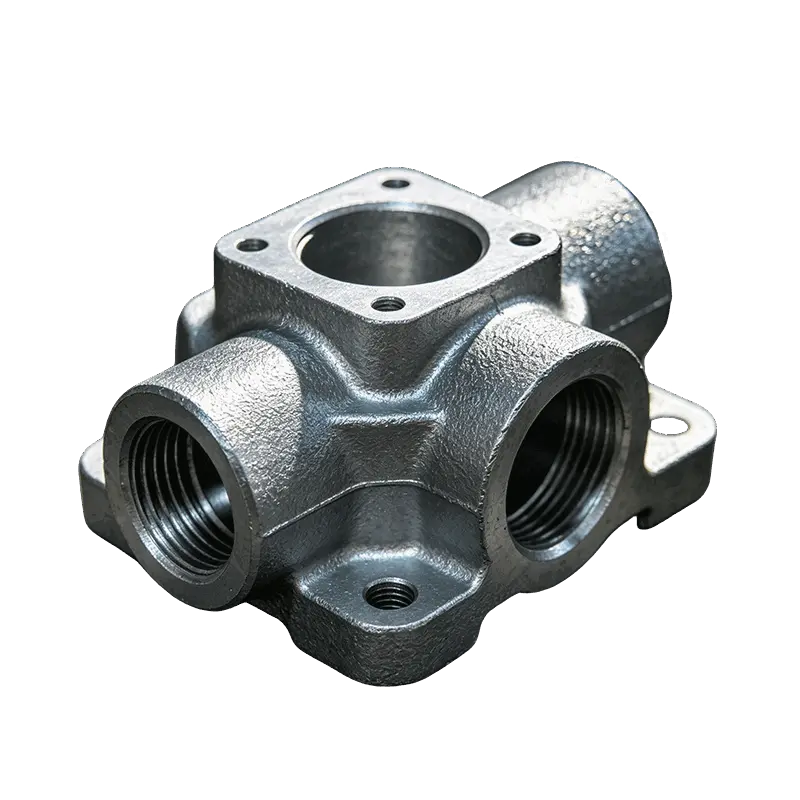
zinc die casting lex hardware 1

Zinc Die Casting Process

The complete zinc die casting process involves the following key steps:

  1. Die Preparation: Pre-heating and lubricating the mold to ensure optimal casting conditions.
  2. Melt Preparation: Heating the zinc alloy in the holding pot to the precise casting temperature.
  3. Injection: Forcing the molten metal through the gooseneck into the die cavity under high pressure.
  4. Recharge: Refilling the injection chamber with molten metal for the next cycle.
  5. Cooling and Solidification: Allowing the metal to cool and harden within the closed die.
  6. Die Opening and Ejection: Separating the mold halves and pushing out the solidified part.
  7. Trimming and Finishing: Removing excess material (such as gates and flash) and applying final surface treatments.
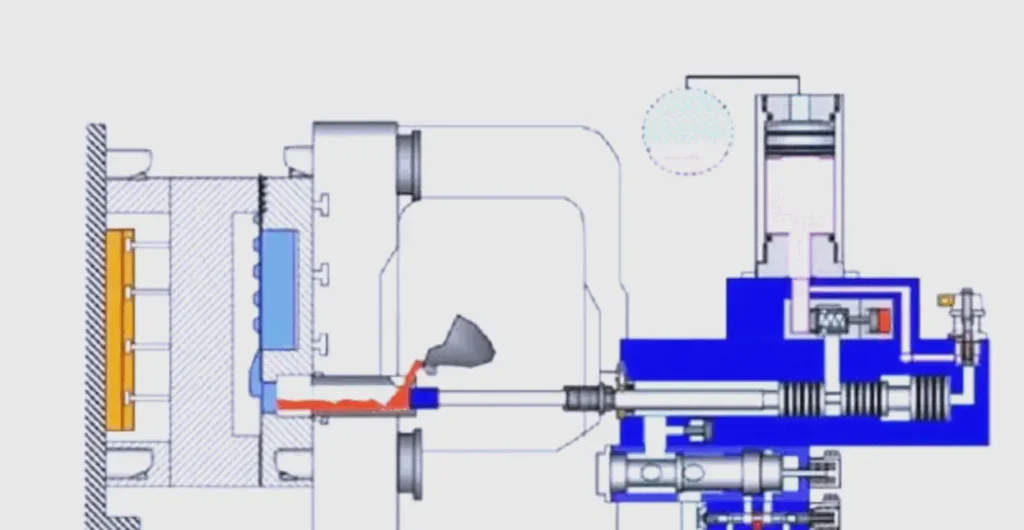
zinc die casting process lex hardware

Advantages of Using Zinc Alloy

Faster Production and Lower Energy Costs. Zinc alloy has a very low melting point of around 385°C. This allows the metal to melt quickly and use less energy. It also cools down fast inside the mold. As a result, the production cycle is much shorter, and factories can produce more parts in less time.
 
Exceptional Precision and Thin Walls. Molten zinc has excellent fluidity. It flows easily into every tiny corner of the mold. This makes it possible to create complex shapes and very thin walls that other metals cannot achieve. Because the metal fills the mold perfectly, the final parts have very high dimensional accuracy.
 
Long Mold Life and Lower Tooling Costs. Zinc does not stick to the steel mold. It also causes very little wear and tear on the mold surface. Therefore, zinc die casting molds can last for over one million cycles. This is much longer than aluminum molds, which greatly reduces the tooling cost per part.
 
Superior Surface Finish for Plating. The high fluidity leads to a very smooth surface right out of the mold. The parts have almost no surface pores. This makes zinc the perfect base for electroplating and powder coating. It saves a lot of money on surface preparation and gives a premium finish.
 
Excellent Strength and Rigidity. Zinc alloy is denser than aluminum. This extra weight gives the parts better rigidity and impact resistance. They feel solid and heavy in hand. Even though zinc is heavier, its excellent flow allows designers to make thinner walls. This helps balance the overall weight while keeping the part strong.
 
Cost-Effective for Precision Parts. While zinc is denser than aluminum or magnesium, its overall manufacturing cost is often lower for precision components. The combination of fast cycle times, long mold life, and low surface preparation costs makes zinc the most economical choice for hardware, locks, and decorative parts.