
CNC Machining Service
Lexhardware provides multi-axis CNC machining, transforming solid metal billets into complex, high-precision components. Our subtractive manufacturing process sculpts raw material into virtually any design you envision.
We provide rapid prototyping, small-batch machining, and large-scale production — all fully managed by Lexhardware from start to finish. Simply send your drawing files to Lexhardware to receive instant pricing, lead times, and design-for-manufacturability feedback for your custom CNC parts.
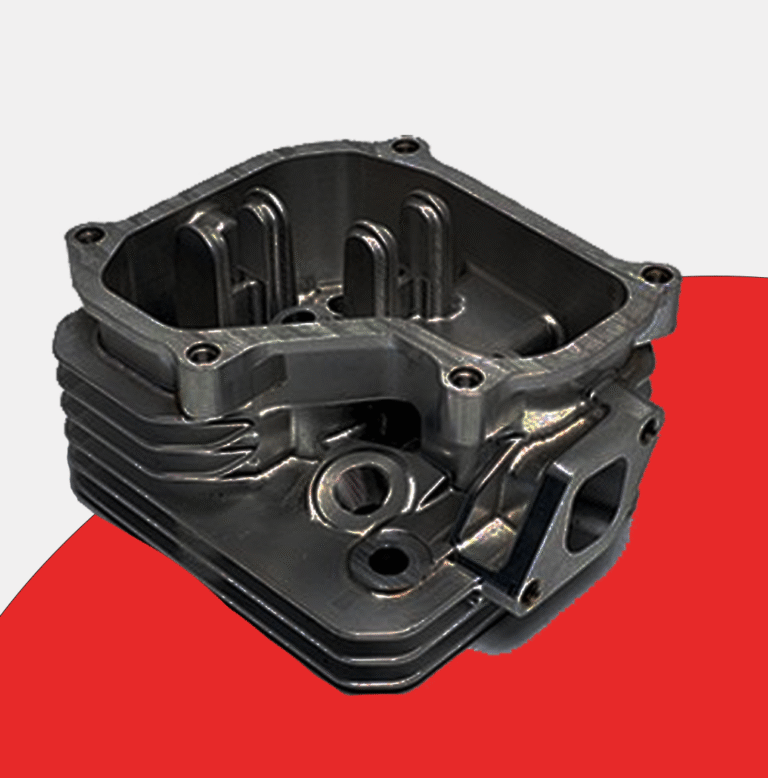
Advantages of CNC Machining Service
Discover the major advantages CNC machining offers to manufacturers and workshops — exceptional precision, quick turnaround times, and the versatility to handle a wide range of parts and projects with ease.
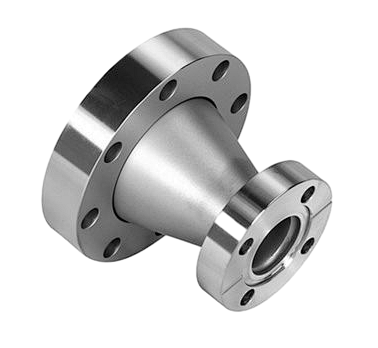
Perfect Repeatability
Produces identical parts in any volume.
Proven Reliability
Digital process minimizes human error.
Handles Complex Designs
Machines intricate geometries from CAD files.
Wide Material Choice
Works with various metals, plastics, and more.
3-axis, 3+2-axis, and 5-axis capabilities
Automated process allows for fast turnaround
Precision & Repeatability
Ensures every part meets exact specs with ±0.025 mm precision.
LEXHARDWARE
We offer professional custom hardware fabrication services with precision and reliability.
Choose The Best CNC Machining Service
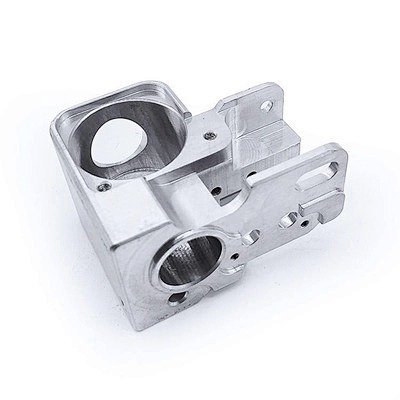
CNC Metal Machining
CNC metal machining delivers exceptional precision, speed, and reliability in manufacturing complex metal parts. By utilizing advanced computer-controlled machines, this process ensures accurate cuts, smooth surface finishes, and consistent results across every component — even those with intricate geometries.
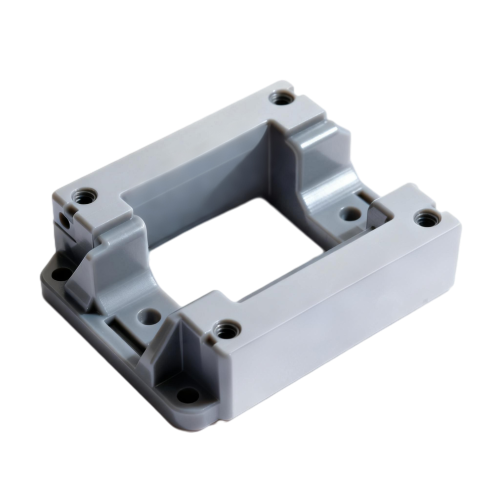
CNC Plastic Machining
CNC plastic machining using advanced computer-controlled equipment to transform a wide range of plastic materials into components that meet exact customer specifications. It accurately cuts, mills, and drills complex shapes with consistent repeatability, making it ideal for medical devices, electronic housings, and high-quality consumer products.
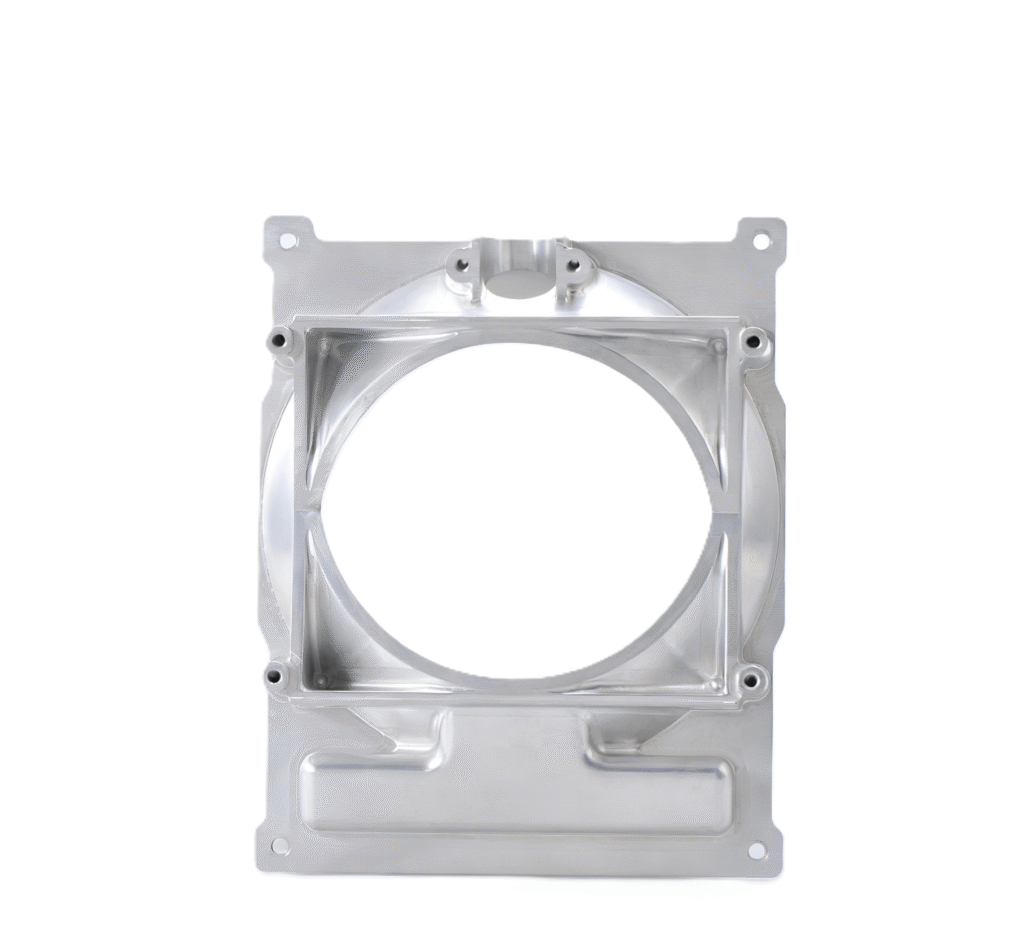
Aluminum CNC Machining Service
Aluminum CNC machining offers superior precision, versatility, and cost efficiency for creating high-quality custom aluminum parts.
This process produces lightweight yet durable components that match exact client specifications. Since aluminum is easy to machine and affordable, CNC machining is perfect for both rapid prototyping and large-scale production runs.
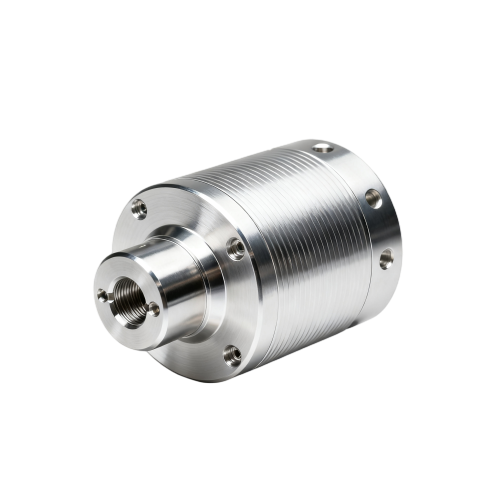
Stainless Steel CNC Machining Services
Stainless steel CNC machining provides exceptional precision, strength, and reliability for producing high-quality custom metal parts.
Using advanced computer-controlled equipment, this process accurately machines complex geometries while ensuring consistent performance, tight tolerances, and a smooth, polished surface finish.
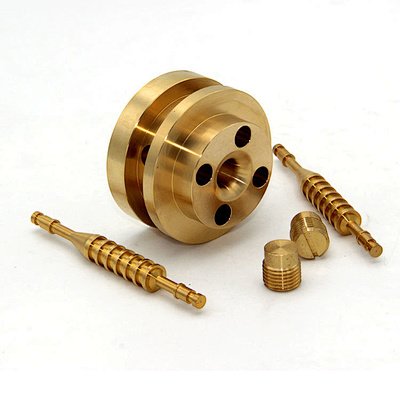
Copper CNC Machining Service
Copper CNC machining provides excellent accuracy, speed, and quality for custom copper parts. By making the most of copper’s great electrical and heat conductivity, this process creates strong, precise parts with smooth finishes and quick turnaround. It’s a great choice for electronics, cars, and aerospace products.
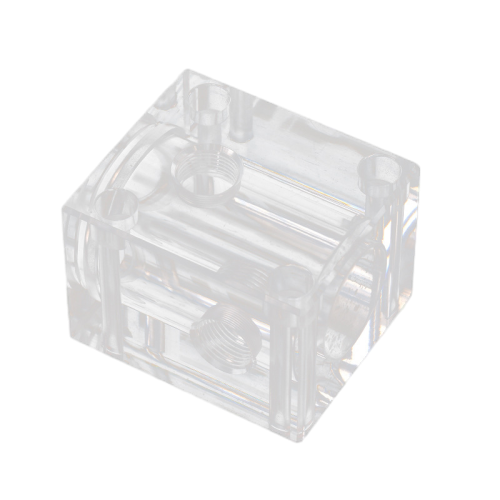
Acrylic Machining Services
Our acrylic machining service creates clear and durable parts with precision. It is ideal for many fields, like medical devices and electronics. We can make a single prototype or a full production run. You always get high-quality parts on time.
Custom CNC Machining Services
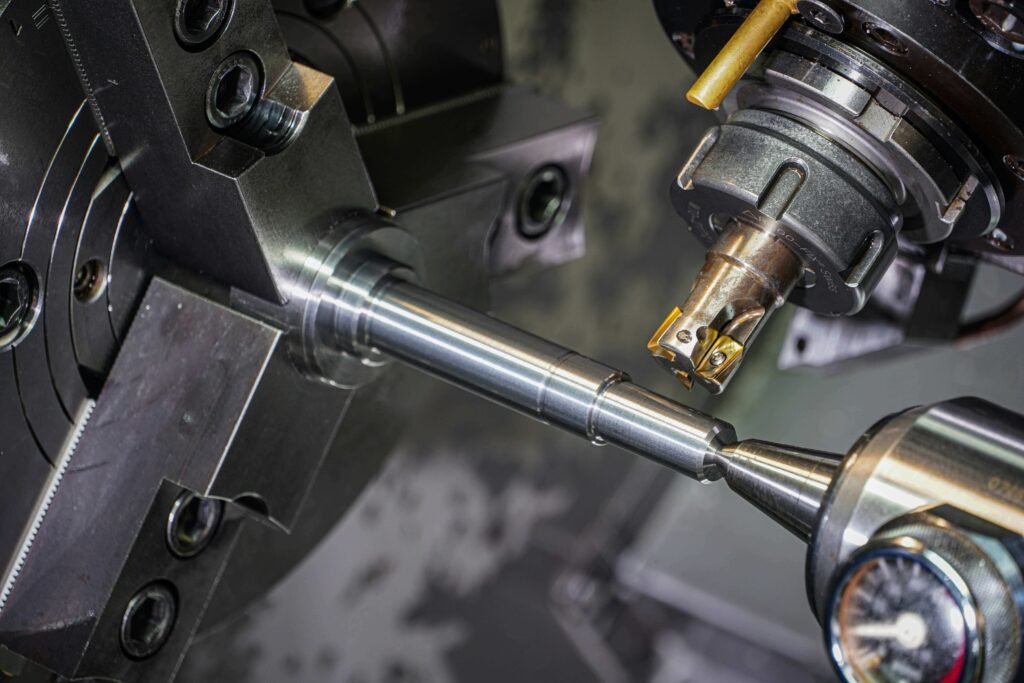
Milling means cutting or carving away material (metal, plastic, wood, etc.) using rotating multi-point cutting tools (like drills or end mills).
What CNC Milling Can Do:
Cut flat or curved surfaces with high precision.
Drill holes, slots, and pockets.
Produce complex 3D shapes that are difficult or impossible to make by hand.
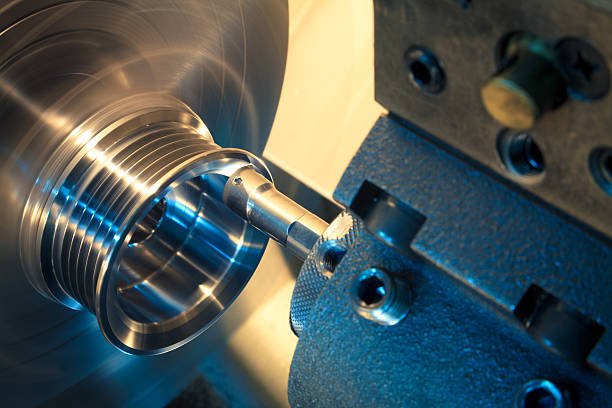
CNC turning is a type of CNC machining that uses a rotating workpiece and a stationary cutting tool to remove material and shape the part.
How CNC Turning Works:
A rod or bar of material (metal, plastic, etc.) is clamped into a chuck and spun at high speed on a lathe.
A cutting tool moves along the surface of the rotating piece to cut, shave, or shape it into the desired form.
The process is computer-controlled, ensuring precise and consistent results.
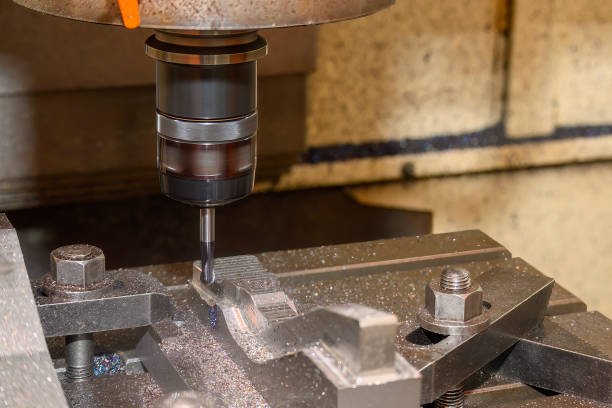
Routing is a cutting or shaping process used to remove material from a surface — typically wood, plastic, or soft metals — using a rotating cutting tool called a router.
How Routing Works:
A router (handheld or CNC-controlled) holds a spinning bit that moves along a programmed path.
The bit cuts, carves, or trims the material to create shapes, grooves, or edges.
In CNC routing, a computer controls the motion, allowing for precise and repeatable cuts.
Standard (As-Milled)
This is the fastest finishing option. Parts retain visible tool marks and may have sharp edges or burrs, which can be removed upon request.
Anodizing
Improves corrosion and wear resistance, enhances appearance, and allows coloring (black, silver, red, blue, etc.)
Electroplating
Applicable Materials: Steel, copper, aluminum (requires pre-treatment)
Common Types:
Nickel Plating: Corrosion and wear resistance, good conductivity
Chrome Plating: Bright surface, high hardness
Zinc Plating: Rust protection for steel parts
Gold/Silver Plating: Excellent electrical conductivity, often for electronic components
Sandblasting / Polishing / Brushing
Applicable Materials: Aluminum, stainless steel, brass
Purpose: Removes machining marks, refines texture, and enhances appearance
Surface Effect: Matte, satin, or brushed metallic finish
Powder Coating
Applicable Materials: Aluminum, steel
Features: Thick, durable coating with excellent adhesion and color variety
Advantages: Eco-friendly, scratch-resistant, corrosion-resistant
Applications: Housings, enclosures, and consumer products
Painting
Applicable Materials: Metals and plastics
Purpose: Adds color, corrosion protection, and branding
Finishes: Glossy, matte, or textured coatings
Passivation
Applicable Materials: Stainless steel
Process: Creates a thin, protective oxide layer through chemical treatment
Benefits: Prevents rust and maintains clean, metallic appearance
Black Oxide (Blackening)
Applicable Materials: Carbon steel, alloy steel, stainless steel
Appearance: Deep black matte finish
Function: Corrosion resistance and reduced light reflection
Plastic CNC Parts Surface Finishing
Painting: Adds color and protection
Polishing: Improves transparency and smoothness (used for acrylic or PC parts)
Electroplating: Gives a metallic appearance
Silk Printing / Pad Printing: For logos and markings
General Technical Specification for CNC Machining
Maximum Part Size
Milled parts up to 80” x 48” x 24” (2,032 x 1,219 x 610 mm). Lathe parts up to 62” (1,575 mm) length and 32” (813 mm) diameter. |
General Tolerances
Metal parts are manufactured to ±0.005″ (±0.127 mm) tolerances per ISO 2768 unless otherwise specified. Plastic and composite parts will be held to ±0.010″.
Precision Tolerances
LexHardware can machine and inspect parts to very tight tolerances, even down to ±0.001″, following your drawings and GD&T requirements.
Minimum Feature Size
A standard tolerance is 0.020” (0.50 mm), though this may vary with the part’s geometry and selected material.
Threads and Tapped Holes
LexHardware supports all standard thread sizes and can also create custom threads. Custom options will need a manual quote review.
Edge Condition
Sharp edges are broken and deburred by default
Surface Finishes
Soft-to-polished finishes, roughness up to Ra 0.8 μm
CNC Machining Applications
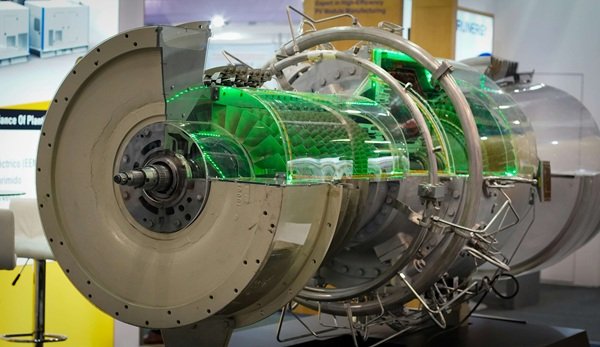
Aerospace Components
We machine airframe panels, engine fittings, and housing assemblies for sensitive onboard instruments.
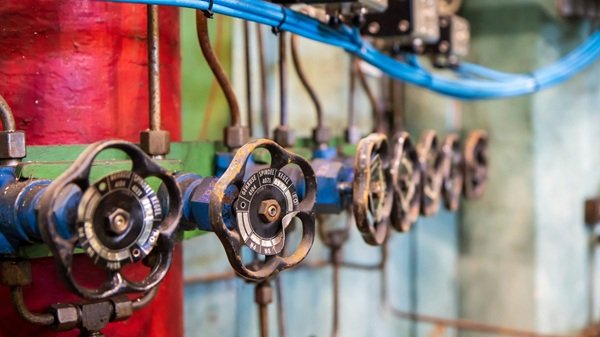
Industrial Equipment
Precision-engineered machine bases, wear components, and assembled units designed for demanding, continuous operation.
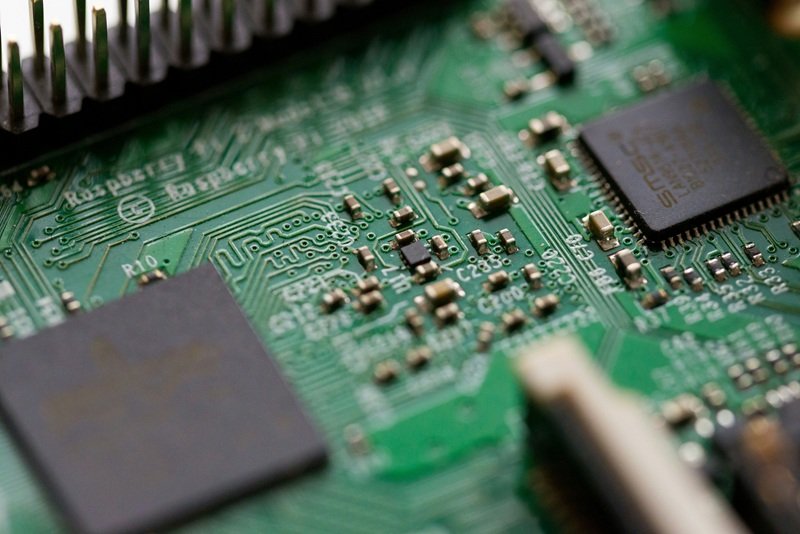
Electronics
Precision enclosures, cooling fins, and small detailed parts designed for both consumer devices and industrial equipment.
Medical Devices
Precision-made surgical tools, implants, and diagnostic equipment built to tight tolerances and strict material standards.
CNC Machining FAQs
How does CNC machining work?
CNC machining is a subtractive manufacturing process where material is cut away from solid stock to create a final part. During machining, holes are drilled, slots and channels are milled, and the raw material is shaped into precise forms with specific tapers, diameters, and geometries.
Unlike additive manufacturing, which builds parts layer by layer, or injection molding, which forms parts by injecting molten material into a mold, CNC machining creates shapes by removing excess material. This method delivers excellent accuracy and repeatability.
CNC machining is also highly versatile. It works with a wide range of materials, including metals, plastics, wood, glass, foam, and composites. Because of this flexibility and precision, CNC machining is widely used across many industries to produce high-quality, custom parts quickly and efficiently.
What are the advantages of cnc machining?
Benefits include tight tolerances, consistent batch quality, the capability to craft intricate designs, minimized scrap, and faster cycle times, whether the part is plastic or metal.
What types of materials can be used in cnc machining?
Almost any machinable material can be used—from engineering plastics and aluminum to stainless steel, brass, and specialty alloys. The best choice depends on your project’s performance needs, budget, and end-use application.
What industries use CNC machining?
CNC machining is widely used across industries. It is common in aerospace, automotive, consumer electronics, robotics, agriculture, and other fields that frequently use metal parts. It is also widely used in medical devices, household goods, energy, oil and gas, and other consumer applications. It is one of the most common manufacturing processes in the world.
What are your tolerances for CNC machined parts?
Most metal parts can hold +0.005″/–0.005″ local tolerances, while plastic parts typically maintain ±0.010″. Tolerances may change on large components, especially when maintaining flatness after heat treatment.
For CNC machining, an As-Milled finish delivers a minimum 125 µin surface finish.
All fabricated parts follow a standard 0.010″ dimensional tolerance and 1° angular tolerance to ensure reliable, consistent quality.
What is the difference between cnc milling and turning?
CNC milling uses a rotating cutting tool on a fixed workpiece, while CNC turning spins the part against a steady cutter. Both processes are essential for making high-precision components with tight tolerances.
What should I send when I ask an online shop for a CNC quote?
Upload the CAD files, specify the material, state the tolerances, and list any finishes; with these details, the shop can give you a precise price and realistic delivery date.
Upload Your Design & Receive Feedback Quickly
Upload your project files, and our team of experienced specialists will review and work with you to move your idea forward.
DFM Check & Quotation Within 2 Hours
We’ll carry out a Design for Manufacturability (DFM) evaluation and aim to provide you with a quotation in just 2 hours.
Production Completed in 7–20 Days
Our efficient manufacturing process enables us to finish production runs in as fast as 7 days.
12 Types of Surface Finishes
Select from a complete range of in-house finishing services, such as coating, anodizing, plating, and more.
Reliable & Speedy Delivery in as Few as 7 Days
With trusted logistics partners, we ensure your products are shipped securely and arrive on time.