
Zinc Die Casting Sevices
10 Years OEM/ODM
48Hours 3D prototype
Zinc Alloy Tooling: 8-Day Fast Delivery
Zinc Die Casting Supplier in China
Are you looking for a reliable partner to provide zinc die cast services?
Low MOQ: Orders start at 100 units (or less).
Fast Prototyping: Expert engineering support for rapid prototyping.
End-to-End Service: One-stop manufacturing for your final products.
Choosing the Right Zinc Alloy for Your Project
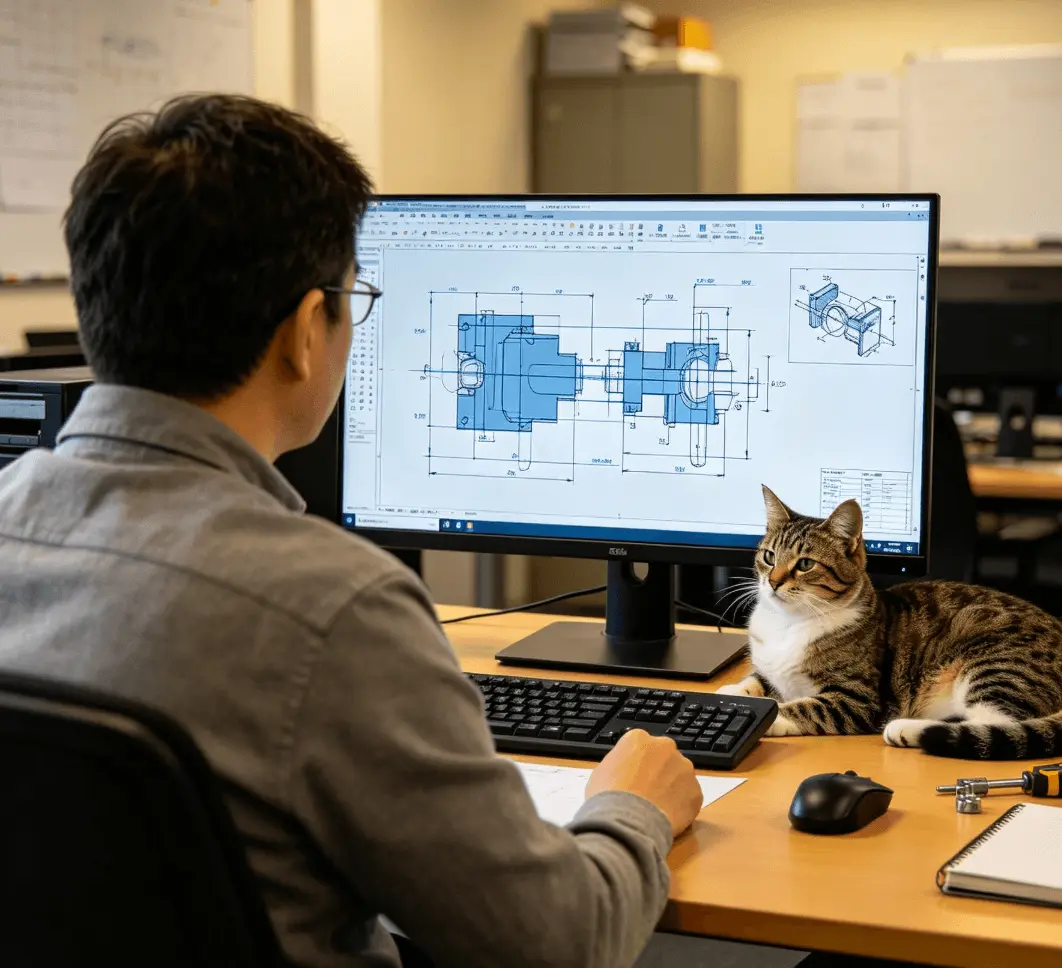
Zamak 3 is the most widely used zinc die casting alloy, offering an optimal balance of strength, ductility, and excellent castability for complex, thin-walled precision parts with superior surface finishing.
Zamak3 Zinc Alloy Typical Application Scenarios:
- Mobile phone accessories, camera housings, power tool casings
- Door handles, rearview mirror brackets, dashboard decorative parts, seatbelt buckles
- Faucet handles, shower fittings, lock housings, and zipper pulls
- Toys & Decorative Items
- Micro gears, electrical connectors, and instrument housings
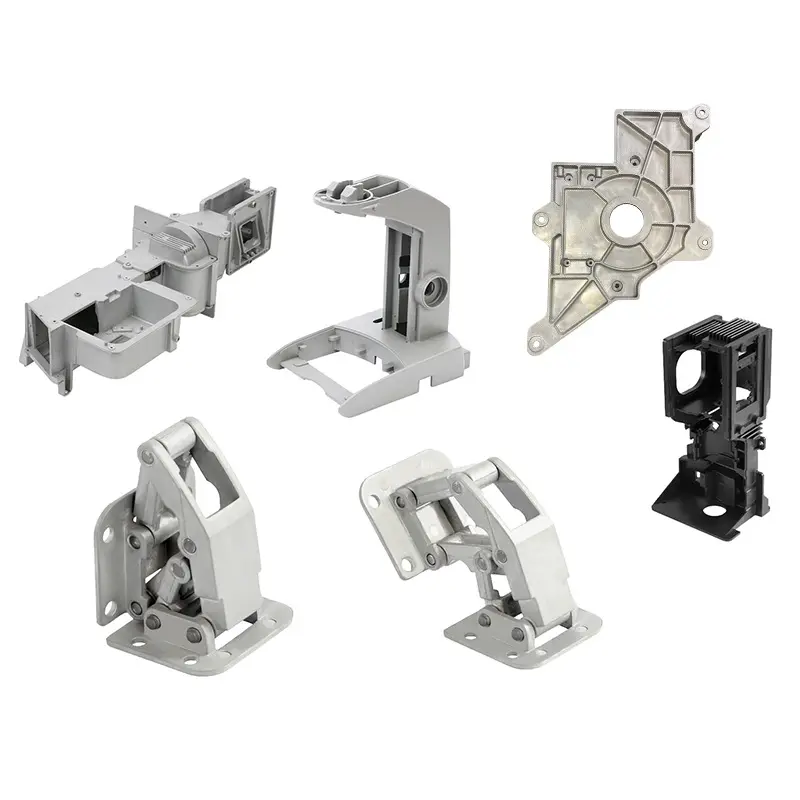
Zamak 5 zinc alloy offers slightly higher strength, hardness, and creep resistance than Zamak 3, making it ideal for die casting components that require greater mechanical performance and wear resistance.
Zamak5 Typical Application Scenarios:
- Automotive door lock assemblies, seatbelt buckles, rearview mirror brackets
- Gears, bearing housings, motor casings, heavy machinery connectors, heavy-duty hinges
- Industrial equipment door handles, plumbing hardware
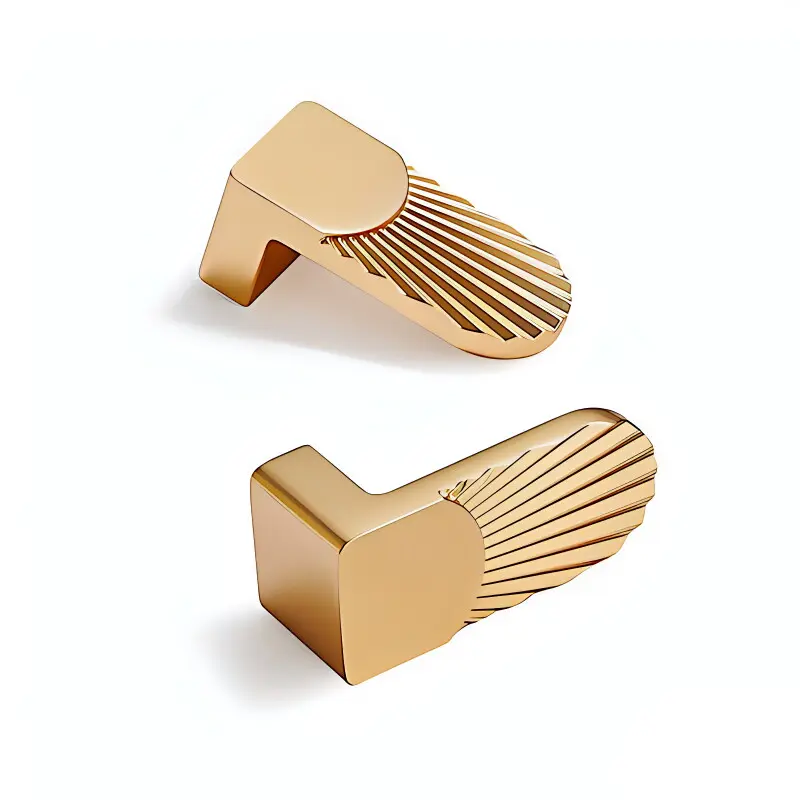
Zamak 7 is a high-purity zinc alloy with low magnesium content and added nickel, offering superior ductility, excellent surface quality, and enhanced corrosion resistance—ideal for thin-walled, complex parts requiring superior finishing.
Typical Application Scenarios:
- Zipper pulls, shoe buckles, photo frames, nameplates/medals, keychains
- Mobile phone decorative parts, appliance knobs, lighting fixtures
- Automotive interior decorative parts, emblems
- High-precision die-cast toys, craft ornaments
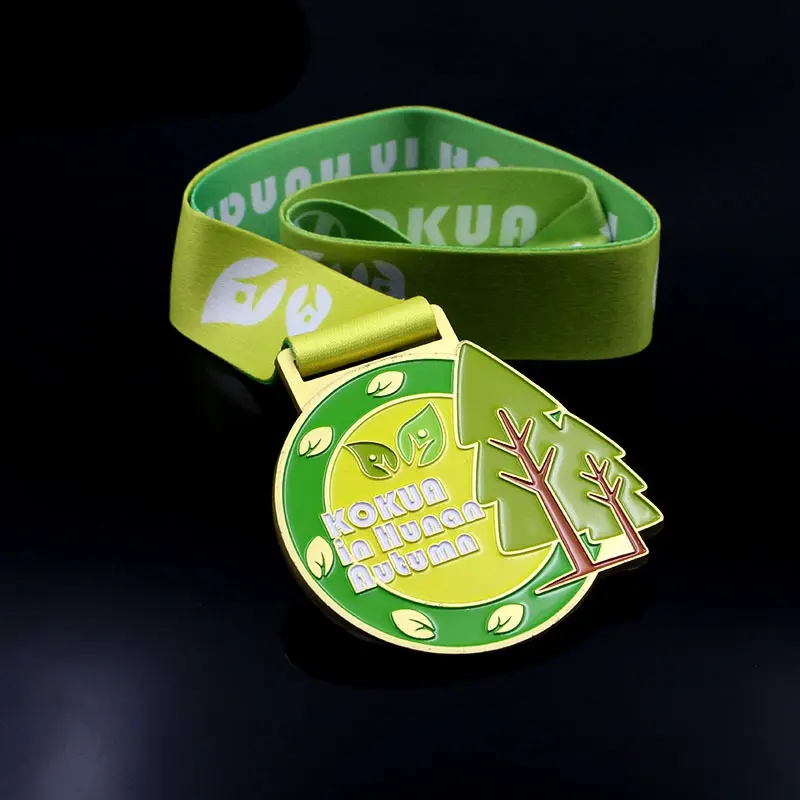
If you have special customization requirements, we can source specific raw materials to manufacture the products you need. Other available zinc alloy options include:
- Zamak 2
- Zamak 8
- Zamak 12
- ZA-8 / ZA-12 / ZA-27
- (Custom alloys upon request)
Upload your files here and get an instant quote.⇊
CAD | PDF | STP | SLDPRT | STEP | IPT | PRT | SAT files
Your all uploads are secure and confidential.
Finishes for Zinc Die Cast
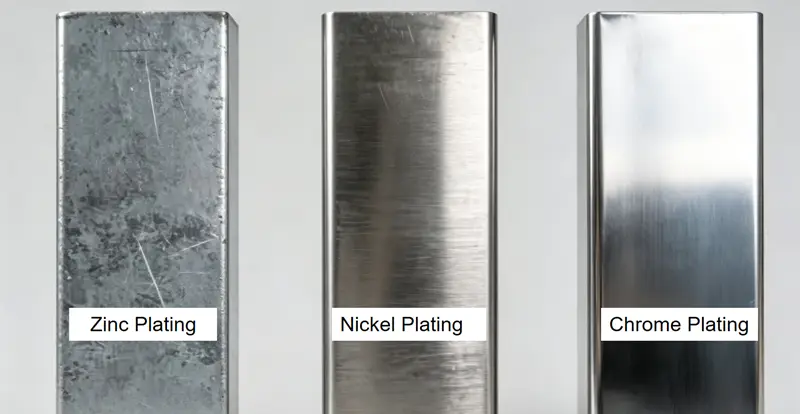
Electroplating
As the primary surface treatment for zinc alloys, electroplating significantly improves corrosion resistance, wear resistance, and aesthetic appearance.
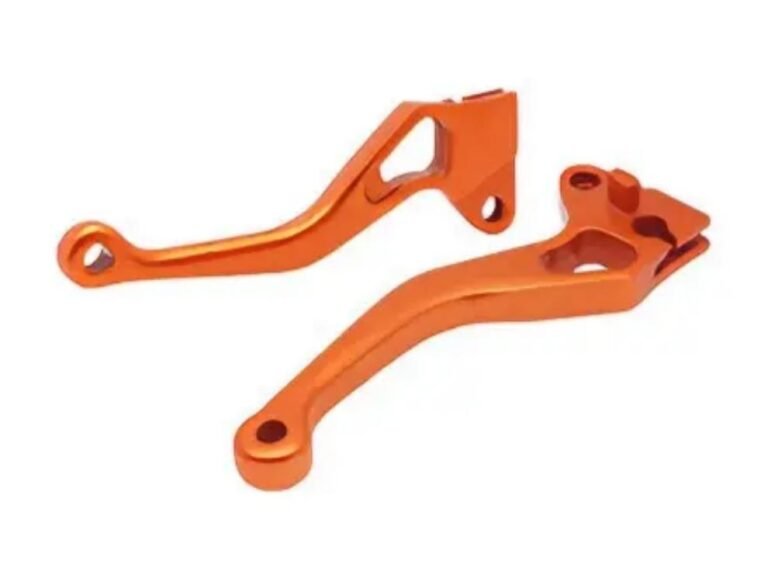
Painting & Powder Coating
Applied via electrostatic powder spraying and cured at around 180-200°C, this coating offers outstanding durability, extensive color options, and excellent impact and chemical resistance.
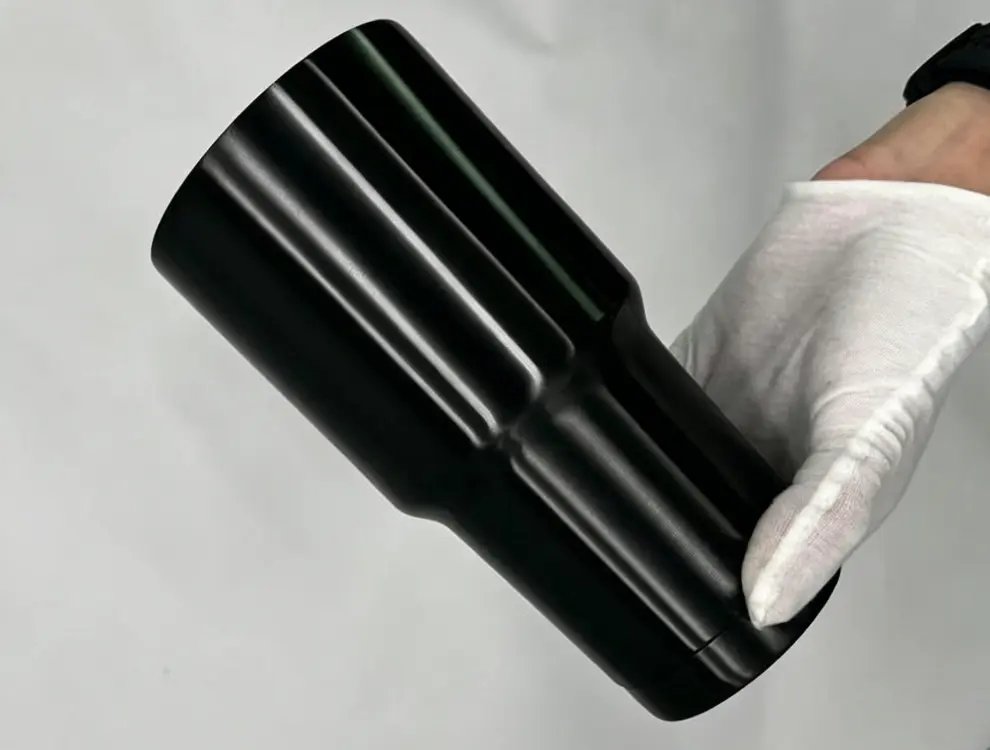
PVD Vacuum Coating
PVD coating is an eco-friendly surface treatment that offers a wide range of premium metallic finishes and colors. It maintains a pristine, fade-resistant appearance over time. With an exceptionally high surface hardness exceeding 2500HV, its scratch, wear, and corrosion resistance far surpass traditional processes
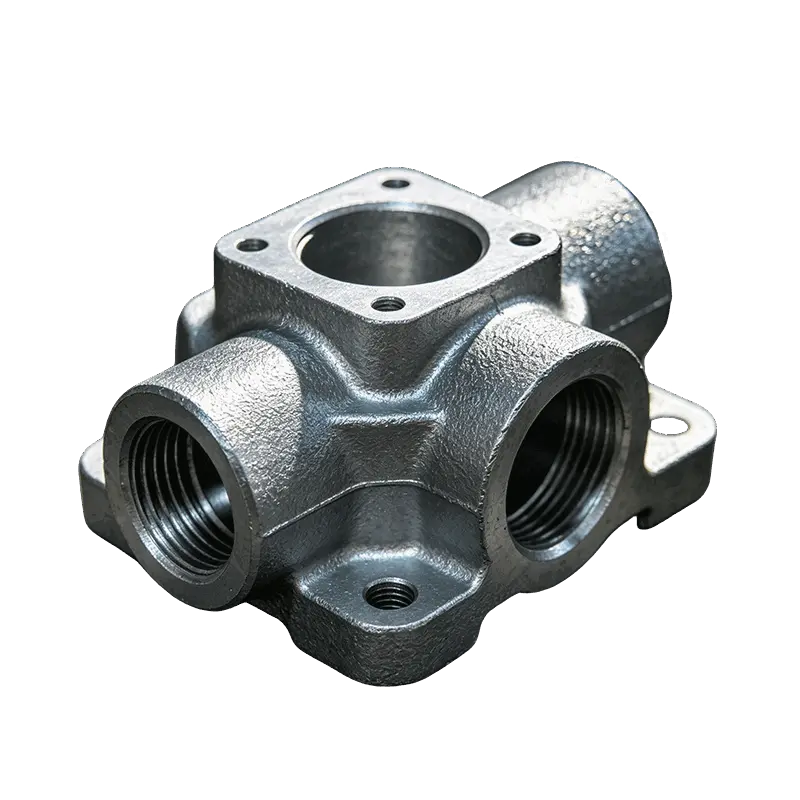
What is zinc die casting?
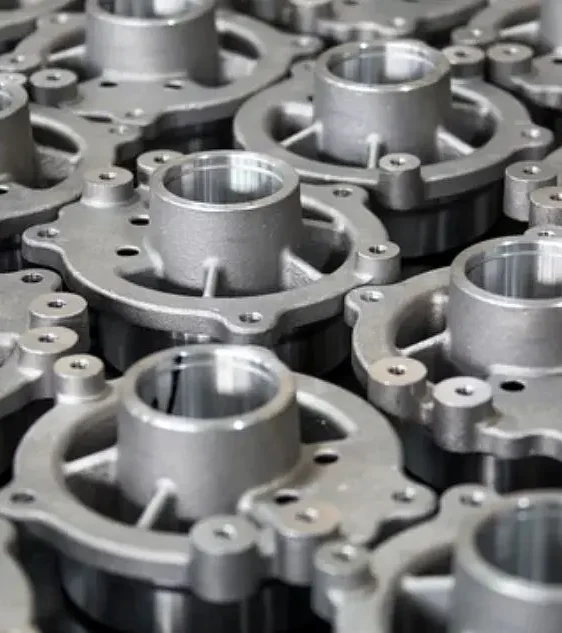
Zinc Die Casting is a manufacturing process in which molten zinc alloy is injected at high pressure and high speed into a steel mold cavity, then cooled and solidified to produce precision metal components. It is the most mainstream and core processing method for zinc alloys, primarily utilizing hot chamber die casting.Zinc die casting is a highly durable and cost-efficient process that matches or surpasses the mechanical performance of cast aluminum, magnesium, bronze, and most cast irons. It stands out as one of the few alloy systems that perfectly balances strength, toughness, rigidity, and excellent castability.Through the die casting process, zinc alloy leverages its superior fluidity and low melting point to efficiently and cost-effectively produce complex, thin-walled, and high-precision components.
Zinc Die Casting Process
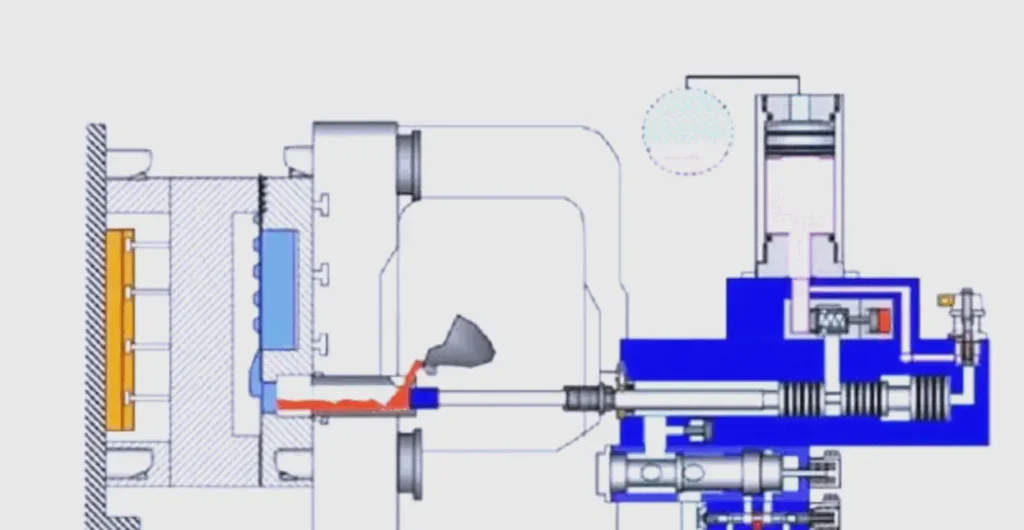
The complete zinc die casting process involves the following key steps:
- Die Preparation: Pre-heating and lubricating the mold to ensure optimal casting conditions.
- Melt Preparation: Heating the zinc alloy in the holding pot to the precise casting temperature.
- Injection: Forcing the molten metal through the gooseneck into the die cavity under high pressure.
- Recharge: Refilling the injection chamber with molten metal for the next cycle.
- Cooling and Solidification: Allowing the metal to cool and harden within the closed die.
- Die Opening and Ejection: Separating the mold halves and pushing out the solidified part.
- Trimming and Finishing: Removing excess material (such as gates and flash) and applying final surface treatments.
Advantages of Using Zinc Alloy
Disdvantages of Using Zinc Alloy
Internal Defects (Porosity, Shrinkage Cavities, Blistering): Die castings are prone to trapping air or developing shrinkage voids during the manufacturing process. This leads to surface blistering and pitting, severely affecting the appearance and the yield rate of subsequent plating or painting processes.
Poor corrosion resistance (white rust and intergranular corrosion). Zinc alloys are very susceptible to electrochemical corrosion (white rust) in humid or high salt-spray environments. Intergranular corrosion can occur when impurities such as lead or cadmium are present, which can lead to aging, swelling or even cracking of the parts.
Susceptibility to Creep and Low-Temperature Embrittlement: Mechanical strength drops significantly at temperatures above 100°C and dimensional expansion/deformation may occur. The toughness drops to a very low level below 0°C and the material becomes susceptible to brittle fracture.
High Density and Heavy Weight: Zinc has a density of about 6.7 g/cm³, which is significantly higher than aluminum (2.7 g/cm³). This is detrimental to lightweight design requirements.
Zinc Die Casting FAQs
1. We are unfamiliar with casting services. How should we begin the process?
You can send us 2D or 3D drawings, or offer a picture of the product you want. We can provide Design for Manufacturing (DFM) services for you. Please contact mailto:custom@lexhardware.com for assistance.
2. Do you provide finishing, machining, or assembly services for zinc die cast parts?
Yes, absolutely. We provide comprehensive secondary operations for our zinc die cast components to meet your exact specifications. Our capabilities include precision CNC machining, various surface finishing treatments (such as polishing, plating, powder coating, and painting), as well as custom assembly. This allows us to deliver fully finished, ready-to-install parts directly to you.
3. What are your minmum order quantities (MOQ's) for die casting parts?
We are highly flexible with order quantities. Our quotes always provide a tiered pricing breakdown based on MOQs. For example, the minimum order could start from just 100 pcs, depending on the size of the item, and larger quantities will unlock more competitive pricing.
4. How do you ensure quality and consistency in your die casting process?
We have implemented robust quality control measures to ensure consistency and reliability throughout the die casting process. Our Quality Management System is certified to ISO 9001:2015 and IATF 16949 standards, demonstrating our commitment to meeting the highest industry benchmarks. Our strict process includes thorough pre-production confirmation, multiple in-process quality inspections, and final photographic verification for customer approval. Additionally, we provide relevant material and industry certificates, and fully support third-party sample testing.